
English
Inhibited MMA monomer with controlled MEHQ inhibitor loading, purity of at least 99.8 area % and a lot-specific Certificate of Analysis for every shipment.
Request a Quotation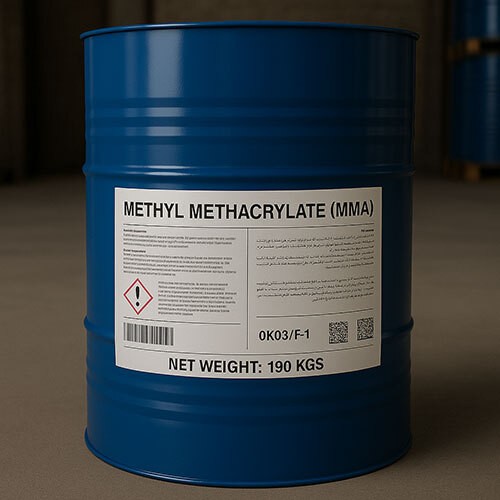
Methyl methacrylate is the acrylic ester monomer behind PMMA sheet, acrylic coatings, structural adhesives, medical cements and optical components.
The monomer polymerises readily under heat, light or initiator, so commercial material is shipped with a defined MEHQ inhibitor level that preserves an induction period during processing. The grade described on this page is a clear, colourless, inhibited monomer with purity of at least 99.8 area % and MEHQ at 10 to 30 mg/kg. Water is held at or below 500 mg/kg and acidity as methacrylic acid at or below 0.005 weight %, which protects initiator performance and keeps cast sheet free of haze.
BASF operates the four-step MMA route from propionaldehyde through methacrolein and methacrylic acid to the ester, and its Ludwigshafen Verbund site is the world's largest integrated chemical complex at roughly ten square kilometres with 125 production plants. Acrylic monomer production there is certified to ISO 9001:2015 and ISO 14001:2015 by DQS GmbH.
Acceptance values applied to the inhibited grade, with the analytical method used for each controlled parameter.
| Parameter | Specification | Test Method |
|---|---|---|
| CAS Number | 80-62-6 | EINECS 201-297-1 |
| Molecular Formula | C5H8O2 | CH2=C(CH3)COOCH3 |
| Molecular Weight | 100.12 g/mol | HS Code 465183 |
| Appearance | Colourless, transparent liquid | Visual |
| Odour | Sharp, fruity | Olfactory |
| Purity | ≥ 99.8 % area | Capillary GC-FID, internal standard |
| Water Content | ≤ 500 mg/kg | ASTM E203-16 |
| Acidity as Methacrylic Acid | ≤ 0.005 weight % | ASTM D1613-17 |
| MEHQ Inhibitor | 10 – 30 mg/kg | UV photometry or HPLC |
| Colour, Platinum-Cobalt | ≤ 5 | ASTM D1209-19 |
| Density at 20 °C | 0.940 – 0.944 g/cm³ | ASTM D4052-18 |
| Viscosity at 20 °C | 0.65 mPa·s | Supplier datasheet |
| Refractive Index at 20 °C | 1.4142 | Supplier datasheet |
| Melting Point | −48 °C | Supplier datasheet |
| Boiling Point | 100 – 101 °C | Supplier datasheet |
| Flash Point, Closed Cup | 10 °C | Supplier datasheet |
| Autoignition Temperature | 430 °C | Supplier datasheet |
| Vapour Pressure at 20 °C | 5.3 kPa | Supplier datasheet |
| Solubility in Water at 20 °C | 15 g/L | Supplier datasheet |
| Transport Classification | UN 1866, Class 3, PG III | IMDG and ADR |
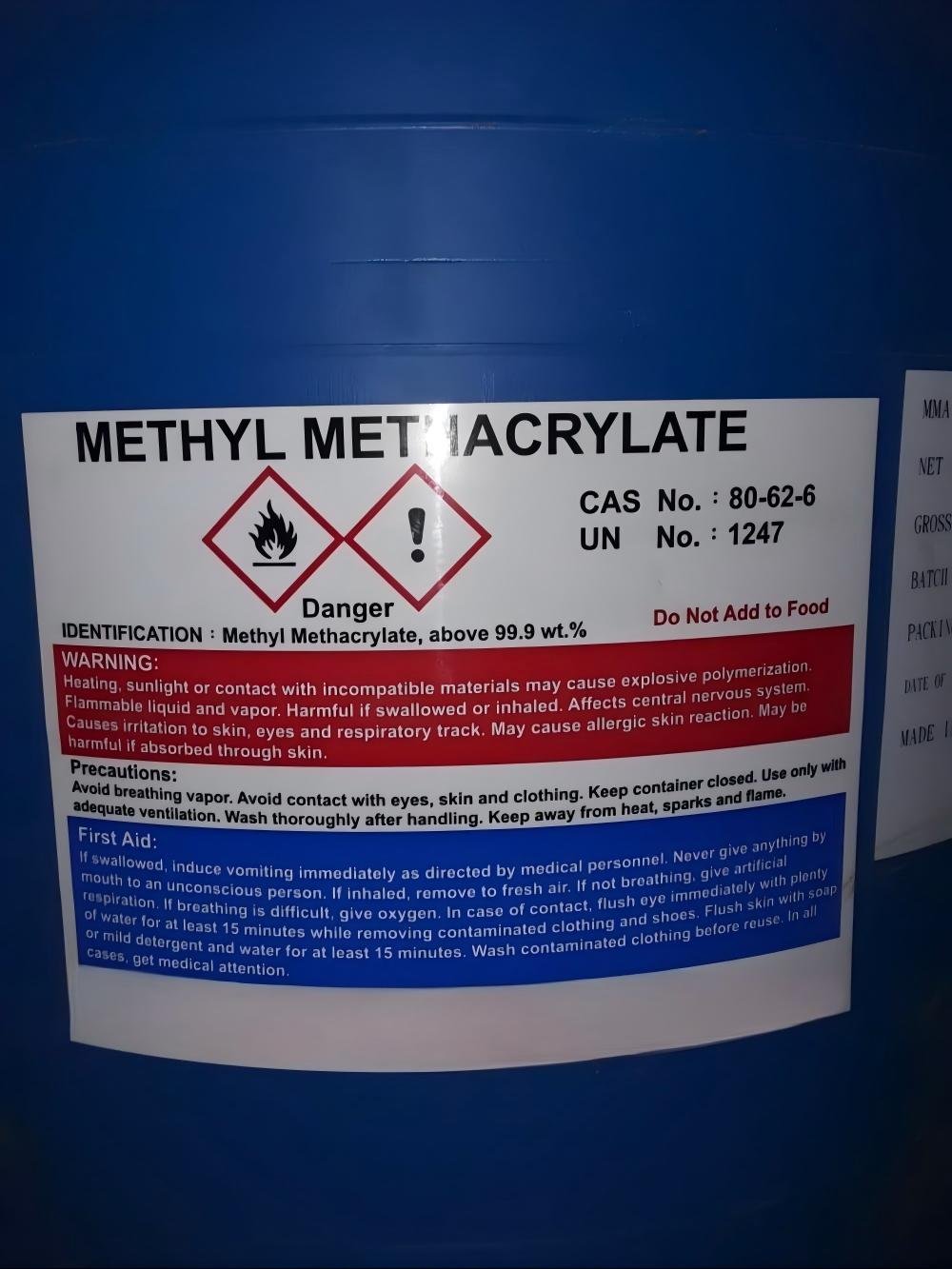
Bulk, suspension and solution polymerisation of MMA produces polymethyl methacrylate with optical clarity, weather resistance and high impact strength.
Cast sheet is made by cell casting with staged curing and annealing, and the finished panels serve glazing, signage, lighting and display applications. In coating chemistry, MMA acts as the hard, weatherable comonomer in hydroxy-functional acrylic polyols that crosslink with melamine-formaldehyde or aliphatic polyisocyanate resins, supporting automotive OEM clearcoats, solventborne basecoats, industrial metal topcoats and exterior plastic components. Residue control after polymerisation keeps monomer levels low in the delivered resin.
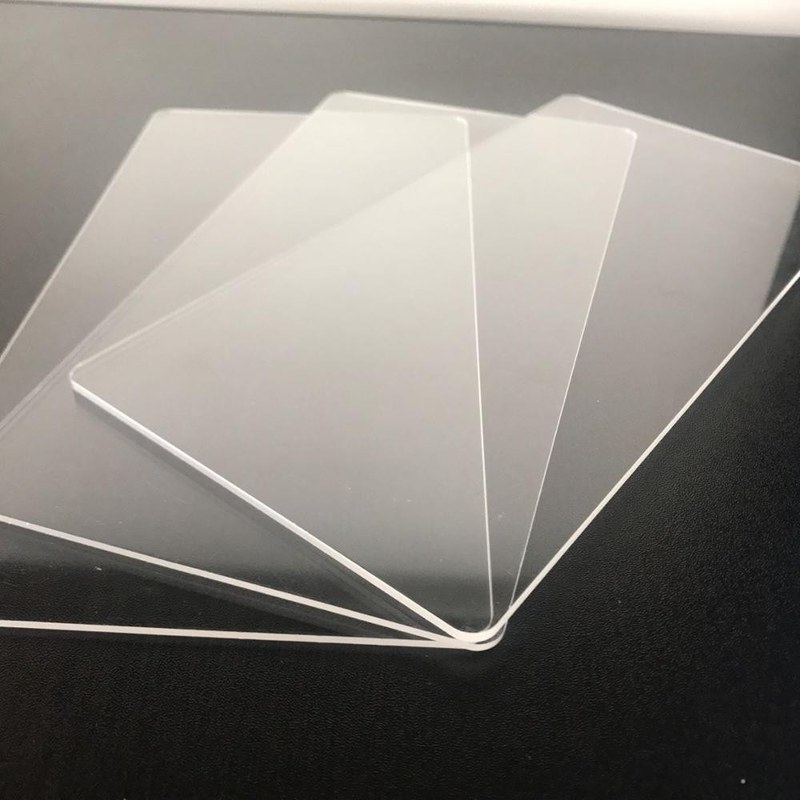
Structural acrylic adhesives, pressure-sensitive adhesives and construction sealants that need fast cure and durable bonding.
Bone cement and denture base polymers, where low water and low acidity content are critical to setting behaviour.
Light guide panels, optical lenses and transparent housings for electronic devices.
Printing and dyeing auxiliaries, textile sizing agents and paper coating binders.
PVC processing aids (ACR) and acrylonitrile copolymers such as MBS for impact resistance.
Every batch is tested against the specification set before release, and the results are recorded on a lot-specific Certificate of Analysis.
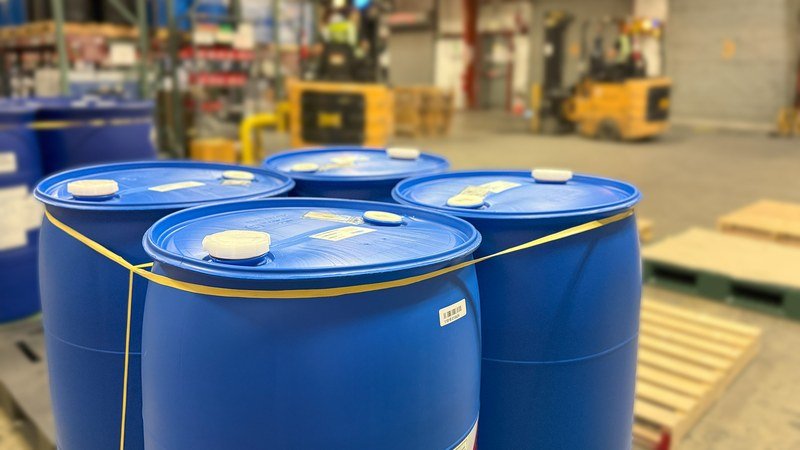
Production and laboratory work follow an ISO 9001-certified quality management system with documented control procedures and batch records. Traceability is maintained from raw material through to the finished lot, and a Certificate of Analysis is issued with each shipment so that buyers can verify purity, inhibitor, water and acidity against the agreed specification.
Capillary GC-FID with an internal standard establishes the area percentage of the monomer and screens the heavier components that would affect polymerisation behaviour.
Water is determined by ASTM E203-16 and acidity as methacrylic acid by ASTM D1613-17. Both are limited so that initiator systems stay predictable and haze does not develop in cast sheet.
Inhibitor is quantified by UV photometry or HPLC against the 10 to 30 mg/kg window. Because the inhibitor is what holds the induction period, the level is checked again on receipt rather than only at production.
Platinum-cobalt colour is checked to ASTM D1209-19 and limited to 5, and the product is inspected as a clear, colourless liquid with no haze or turbidity before the drums are closed under nitrogen.
BASF is the world's largest producer of acrylic monomers, and its monomer portfolio extends beyond the established grade into lower-carbon and traceable feedstock variants.
The established high-quality and reliable grade used worldwide for PMMA, coating and adhesive production.
Variants with at least 30% lower carbon footprint than the Classic version, with a product carbon footprint of zero.
Options partially made of biomass and traced with the 14C method for verified renewable content.
Variants produced from chemically recycled raw materials sourced from plastic waste and end-of-life tyres.
Availability of a specific grade from the BASF portfolio is confirmed directly through the contact details below, together with the current specification sheet and the applicable Certificate of Analysis format.
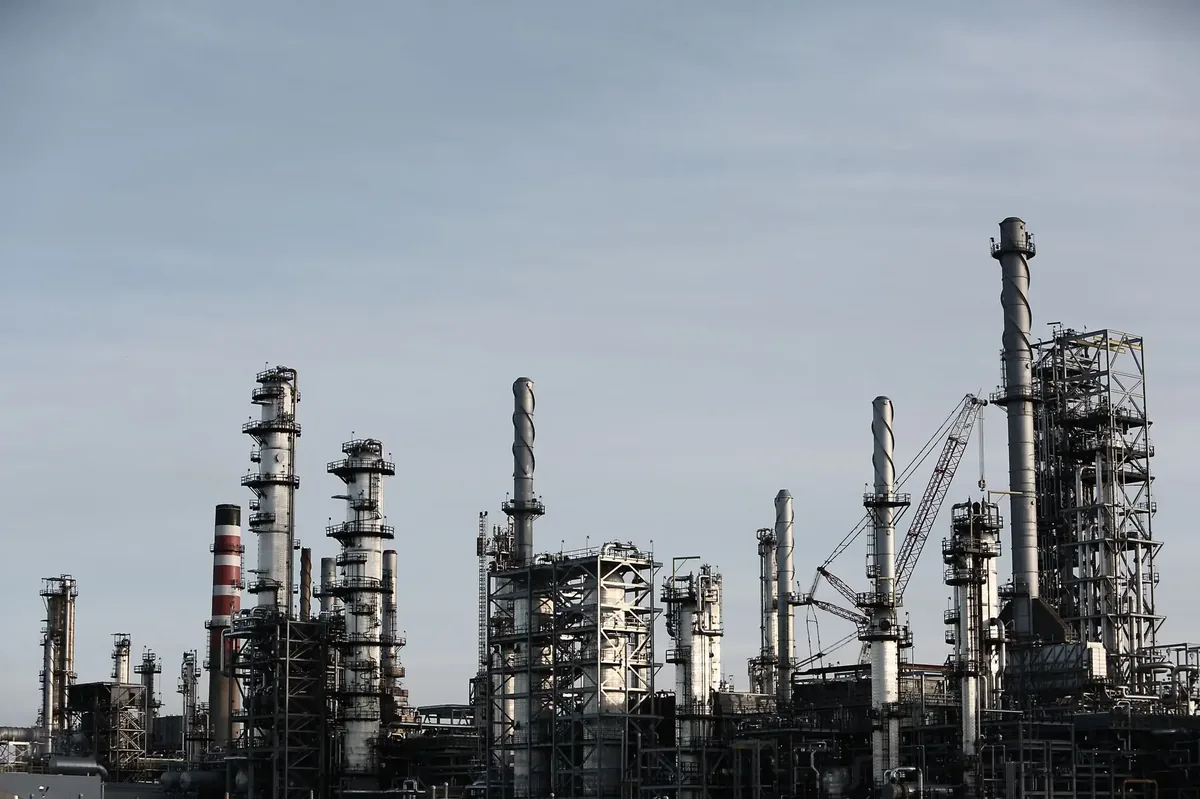
Ascent Group Co., Ltd. supplies BASF methyl methacrylate from a production base in Yudu County, Ganzhou, Jiangxi Province, China, operating under four principles: safety, efficiency, environmental protection and innovation.
Manufacturing capability is paired with in-house research and development. The technical team works with HPLC, GC-MS and NMR instrumentation for formulation support and continuous process improvement, while multi-stage laboratory testing under ISO 9001-certified procedures guards purity across every lot. Energy-saving and emission-reduction measures run through the production process, and closed-loop water recycling with energy recovery limits the environmental footprint of the site.
On the customer side, regional warehousing and logistics partners deliver reliably to buyers in more than 80 countries, and every shipment carries the documentation needed to verify what was delivered and how it should be stored and handled.
MMA is filled under nitrogen so the inhibitor system stays in equilibrium with the vapour phase, and shipped as a regulated flammable liquid with complete documentation.
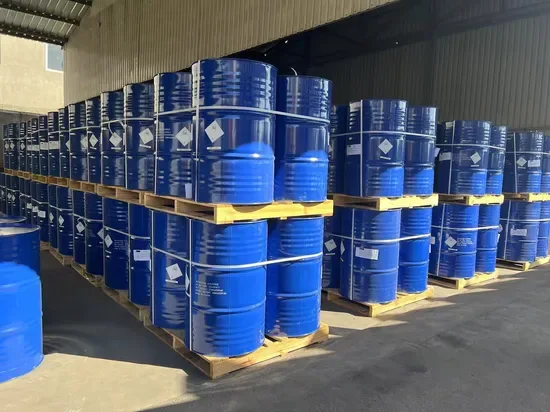
Methyl methacrylate is packaged in 200 kg steel drums, filled under nitrogen to protect the MEHQ inhibitor from depletion.
Intermediate bulk containers suit continuous process feed, with sealed valves and nitrogen padding maintained during handling and discharge.
Sealed drums are loaded into 20′ FCL containers with ventilation and IMDG-compliant segregation from ignition sources and oxidizers.
Shipped as UN 1866, methyl methacrylate inhibited, Class 3 flammable liquid, Packing Group III, with documentation, labelling and temperature control in place.
Shelf life is typically 6 to 12 months when stored cool, dark and inhibited. Storage below 35 °C away from heat, oxidizers and direct sunlight protects the monomer from polymerisation.
Specification review, packaging options, sample quantities and shipment scheduling are handled directly by Fanki Shi. Use the channel that suits your team, or scan the code to open a WhatsApp conversation.
 Telephone+8615651039172
 WhatsApp+8615651039172
 SkypeFanki Shi
 Emailsales9@ascent-chem.com

Scan to reach Fanki Shi on WhatsApp.
